Saint Frank Coffee menu, graded
Sell the relationship, not the coffee.
Saint Frank charges fine-wine prices for coffee and gets away with it. The lever is not the bean, it is the relationship: the provenance, the tasting note, and a house identity built around direct ties to the farmer.
Menu-craft grade
Premium provenance, tasting-note menu copy and a confident house identity (relationship coffee) justify a premium latte, but price-shock and consistency complaints, plus a signature drink the menu does not anchor hard enough, hold it back.
Graded on how well the menu uses behavioral economics, not the food.
Menu and prices verified September 2026
A 3-minute audio read of the analysis
- Type
- Independent
- Where
- San Francisco, Russian Hill flagship
- Cuisine
- Specialty coffee roaster and cafe
- Footprint
- 4 locations
- Since
- 2013
- Ownership
- Independent, founder-led (Kevin Bohlin)
The setup
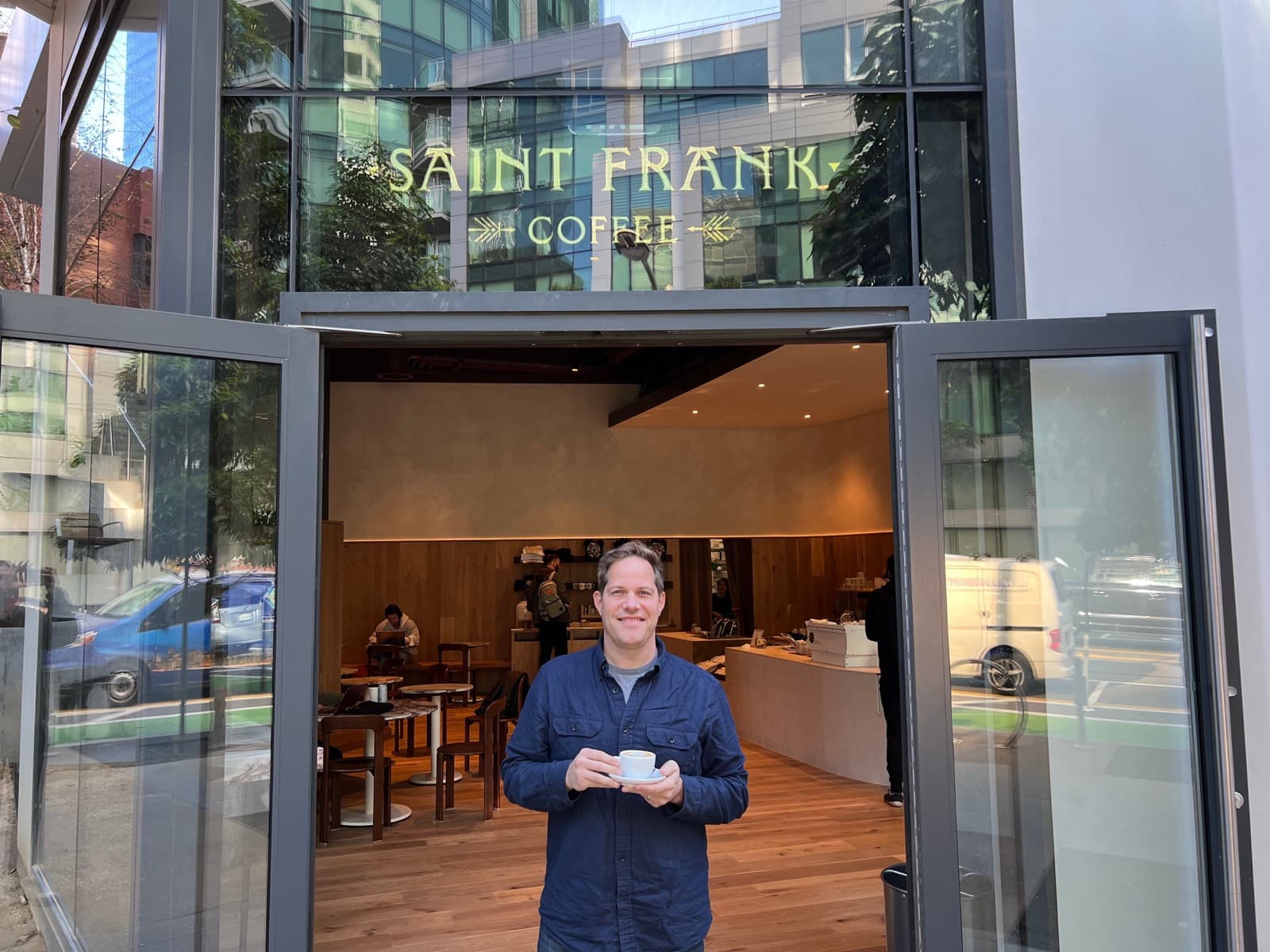
Saint Frank Coffee, founded in San Francisco in 2013 by Kevin Bohlin, sells premium espresso drinks and bags of beans named after the farms that grew them, with the Russian Hill cafe on Polk Street as its original flagship. Its pitch is not caffeine. It is 'relationship coffee': in the company's own words, 'real relationships with our producers around the world' and 'a collaboration between friends.' Beans are described like wine ('naked berry, brown sugar, complex'), and the brand is built around Saint Francis, the idea that the ordinary can be made special.
That framing is the whole pricing strategy. A specialty espresso drink here costs noticeably more than the corner cafe, and the difference is bought with provenance and story, not beans. It is descriptive naming and costly signalling, applied to coffee.
What they get right
The behavioral economics already at work.
Provenance is the price justification
A premium latte needs a reason, and Saint Frank gives one on every surface: named farms, 'direct relationships with our producers,' beans called Little Brother and Sister Moon, origins listed like a wine cellar. The story, not the bean, is what closes the value gap.
Saint Frank, 'Our Story' ('direct relationships with our producers'); Sutherland on costly signalling; provenance / country-of-origin WTP
Tasting notes are the menu
Coffees are not 'medium roast,' they are 'naked berry, brown sugar, complex.' Sensory, specific language raises perceived quality and primes the palate to taste exactly what the card promised. It is the Saint Frank version of 'Grandma's zucchini cookies.'
sensory naming raises perceived quality and WTP, descriptive-naming literature
A house signature carries the identity
The Almond-Macadamia Latte, built on Saint Frank's own house-made nut milk, is a drink no corner cafe can copy. A proprietary signature gives the brand a hero item to be known for and a natural anchor for the rest of the drink board.
Saint Frank house-made almond-macadamia milk; signature-item / anchoring effects
The Flight sells the experience
A coffee flight, espresso to iced side by side, reframes a commodity cup as a tasting. Reviewers say it themselves: 'this is not a coffee shop, it's a coffee experience.' You are buying the ritual, and the ritual carries the price.
Sutherland: people pay for the experience as much as the product
What we’d test
The rewrite, with the expected lift and the honest caveat.
Anchor the menu on the Almond-Macadamia Latte
The house Almond-Macadamia Latte is the one drink no one else can make, yet on the board it sits in the row with everything else. Give it visual primacy, name it as the house signature and lead the drink list with it, so the proprietary item sets the reference point for the rest of the prices.
Expect More orders steered to the signature; the rest of the board reads as fair against it
Caveat A menu-layout and naming change only, not a recipe or pricing change.
Name the seasonal specials as their own section
The rotating seasonal-syrup lattes and single-origin pour-overs are the items that should drive return visits, but they read as line items next to the core espresso and latte. Break them out as a distinct, named 'Specials / This Season' section so regulars can see at a glance what has changed.
Expect Higher attach on the rotating specials; more repeat visits
Caveat A menu-sectioning change only; does not touch what is brewed or how it is sourced.
Put provenance copy beside each pour-over
The pour-overs already carry tasting notes, but not the farmer or origin that justifies the price. Adding a short on-menu line of provenance (farm, country) next to each pour-over puts the relationship story on the exact page where the price is decided.
Expect Higher perceived value and WTP on the pour-overs
Caveat A menu-copy change only, using facts the brand already publishes; not a sourcing or roasting claim.
What diners actually say
Synthesized from public reviews, the reality check that grounds every recommendation.
They praise
- Pour-over and espresso craft
- A genuine coffee 'experience' and knowledgeable staff
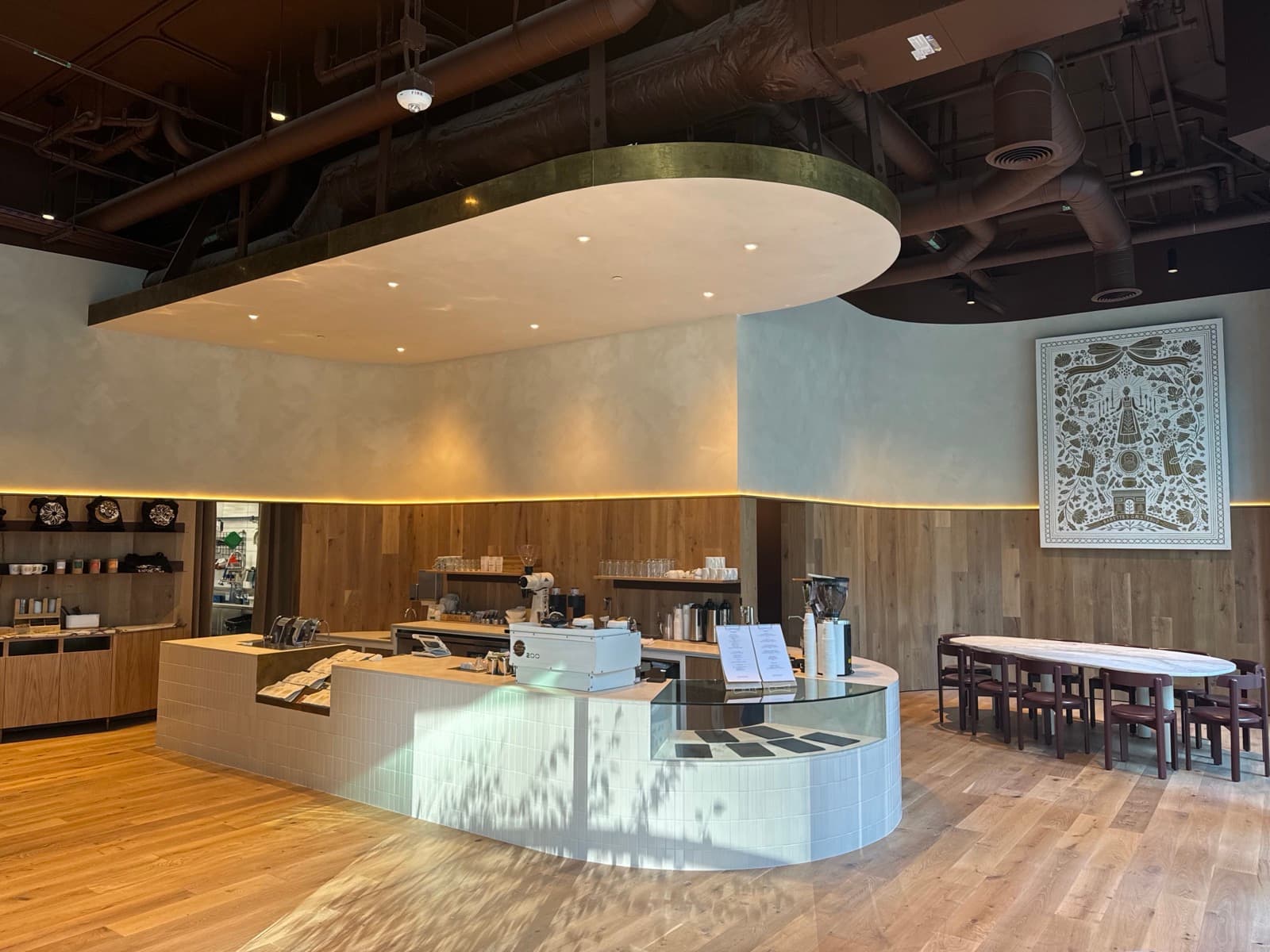
- Minimalist, calm design
- The house almond-macadamia nut milk
They criticize
- Expensive drinks
- Can be inconsistent, sometimes sour or watered down
- Crowded, limited seating
- Wi-Fi on weekdays only
The verdict
Saint Frank sells coffee the way a sommelier sells wine: with provenance, tasting notes, and a confident point of view ('relationship coffee,' 'a collaboration between friends') that together justify a premium latte. The branding is genuinely excellent. The on-menu upside is presentation: anchor the board on the proprietary Almond-Macadamia Latte, break the seasonal specials into their own named section, and carry the provenance story onto the pour-over line where the price is decided.
Common questions
- Why is Saint Frank Coffee so expensive?
- A Saint Frank espresso drink costs noticeably more than the corner cafe, and retail beans start from $24.00, with the gap bought by provenance and story rather than the bean itself. The pitch is 'relationship coffee': named farms, direct producer ties and wine-like tasting notes that close the value gap.
- What is the signature drink at Saint Frank Coffee?
- The house Almond-Macadamia Latte, built on Saint Frank's own house-made almond-macadamia nut milk, is the signature and de facto price anchor for drinks. A proprietary drink no corner cafe can copy gives the brand a hero item and a natural anchor for the rest of the board.
- How are coffees described on the Saint Frank menu?
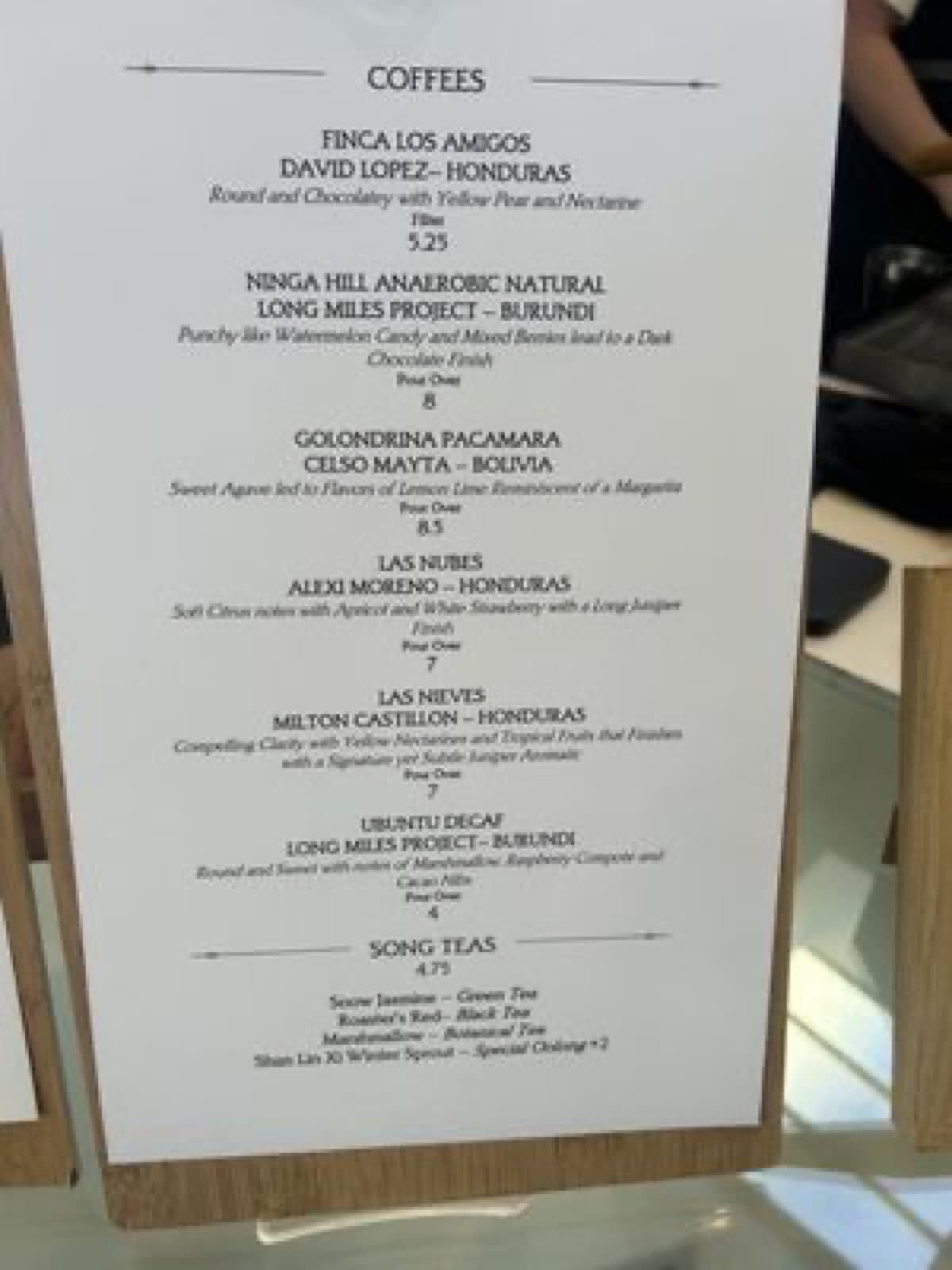
- Coffees are described by terse, lowercase tasting-note triplets like 'naked berry, brown sugar, complex' rather than 'medium roast,' and a rotating single-origin pour-over runs about $5. Sensory, specific language raises perceived quality and primes the palate to taste exactly what the card promised.
- Is Saint Frank Coffee a good experience?
- Saint Frank earns a B+ grade, with reviewers calling it 'not a coffee shop, it's a coffee experience,' anchored by a side-by-side coffee flight. The flight reframes a commodity cup as a tasting, so you are buying the ritual, and the ritual carries the price.
More breakdowns
 Restaurant Gary DankoA
Tiered courses, round whole-dollar prices, a caviar anchor, build-your-own freedom and a tableside cheese cart. Danko is already doing what we'd recommend.
Read the Restaurant Gary Danko breakdown →A 1984 steakhouse at 2100 Van Ness Avenue that dry-ages its beef behind a streetside glass window, so the single best argument for the price is visible before you even sit down.
Read the Harris' Restaurant breakdown → Yank SingA-
A 1958 dim sum institution where you pick from a rolling cart by sight, plate by plate, and the bill quietly adds up.
Read the Yank Sing breakdown →A Michelin-starred Fillmore room where small plates roam by on dim-sum carts at $3 to $14 each, so you say yes one plate at a time and the check climbs on its own.
Read the State Bird Provisions breakdown → Zuni CafeA-
A 75.00 chicken that takes about 75 minutes, and the menu says so. A practical warning that also happens to reduce uncertainty, printed in the margin.
Read the Zuni Cafe breakdown → Pearl 6101B+
A neighborhood Outer Richmond Cal-Mediterranean restaurant from the Pizzetta 211 team, whose menu prints prices as bare round numbers with no dollar signs and no cents.
Read the Pearl 6101 breakdown →Your menu next
Get this for your own menu, free.
Send your menu and we’ll send back the same breakdown, what you get right, what we’d test, and why.
Sweetgreen
The salad chain that names every bowl for its ingredients and farmers, then offers a handful of signature defaults so you don't have to build from scratch.
Read it →